Industrial process agitators and mixers play a crucial role in various industries, revolutionizing the way materials are mixed, blended, and processed. These innovative machines are designed to enhance efficiency, productivity, and quality in industrial processes. At its core, industrial process agitators and mixers are engineered to ensure optimal mixing and agitation of substances, whether it be liquids, powders, or granular materials. They are utilized in a wide range of industries, including chemical, pharmaceutical, food and beverage, cosmetics, and many others.
Top-mounted mixers
are particularly useful for processes that require efficient mixing of large volumes of materials. They are designed to be mounted on the top of tanks or vessels, allowing for effective mixing and homogenization of the contents. They help in achieving uniformity in the mixture, dispersing solids or liquids evenly, and maintaining product quality and consistency. Overall, top-mounted mixers play a crucial role in industrial processes that require thorough mixing and blending of materials.
Application : chemical, pharmaceutical, food and beverage, and water treatment industries
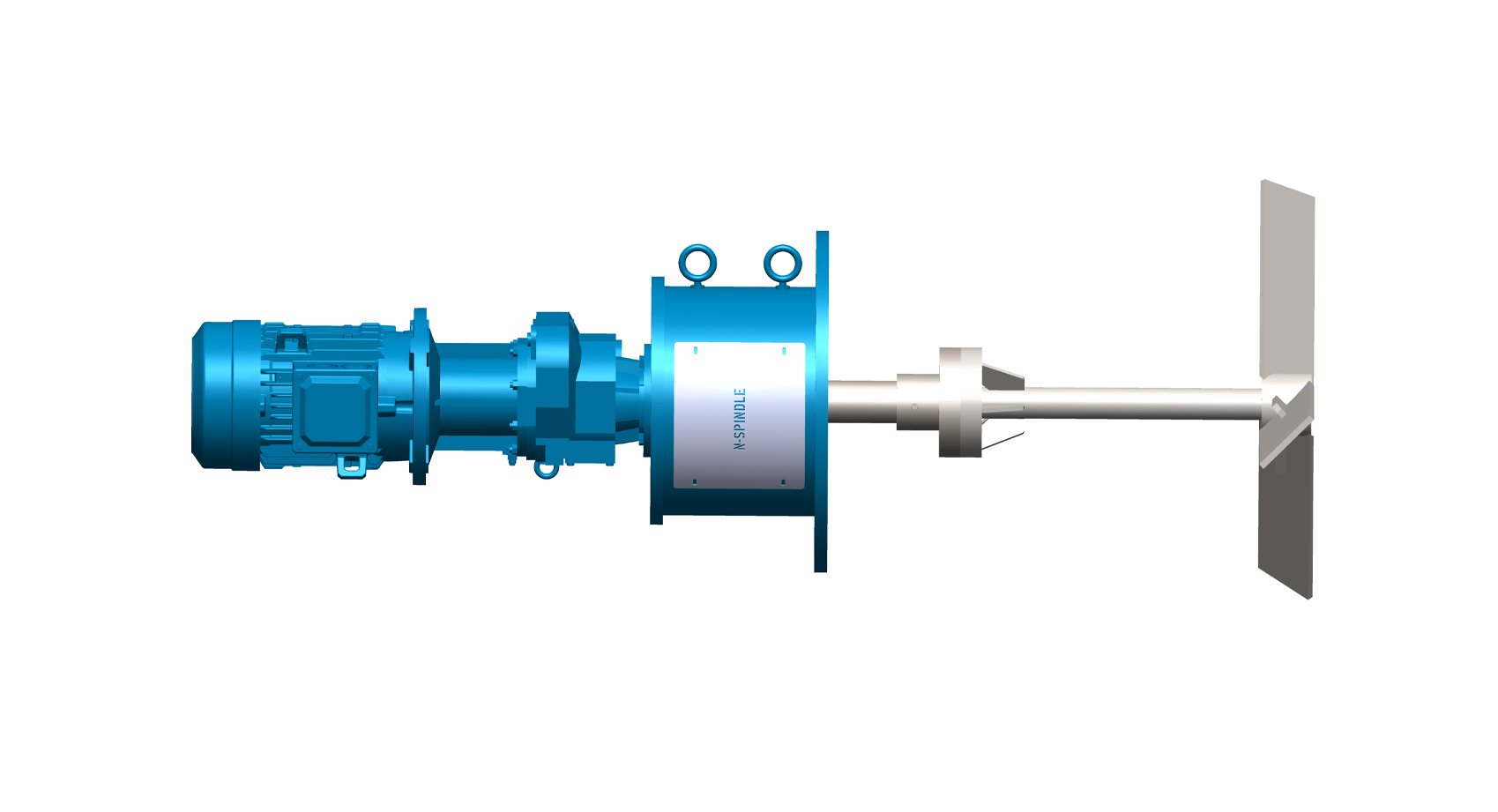
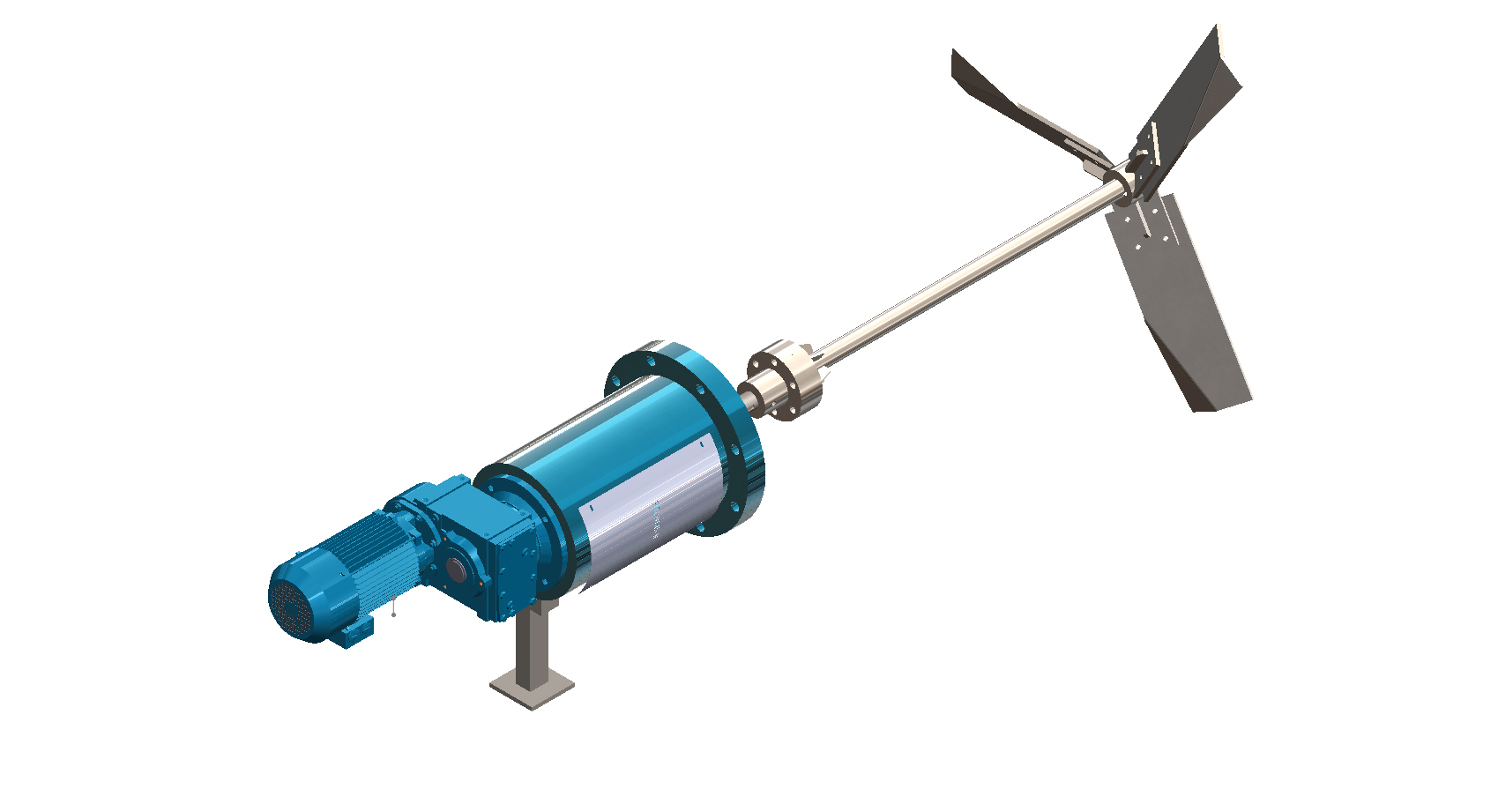
Side entry mixers
are designed to be mounted on the side of tanks or vessels, allowing for efficient mixing without the need for internal tank modifications. They help in achieving uniform mixing, dispersing solids or liquids evenly, and maintaining product quality and consistency. Side entry mixers are also preferred for applications where space constraints or tank design limitations make top-mounted mixers impractical. Overall, side entry mixers play a crucial role in industrial processes that require effective and continuous mixing of materials in large tanks or vessels.
Application : oil and gas, chemical processing, wastewater treatment, and food and beverage production.
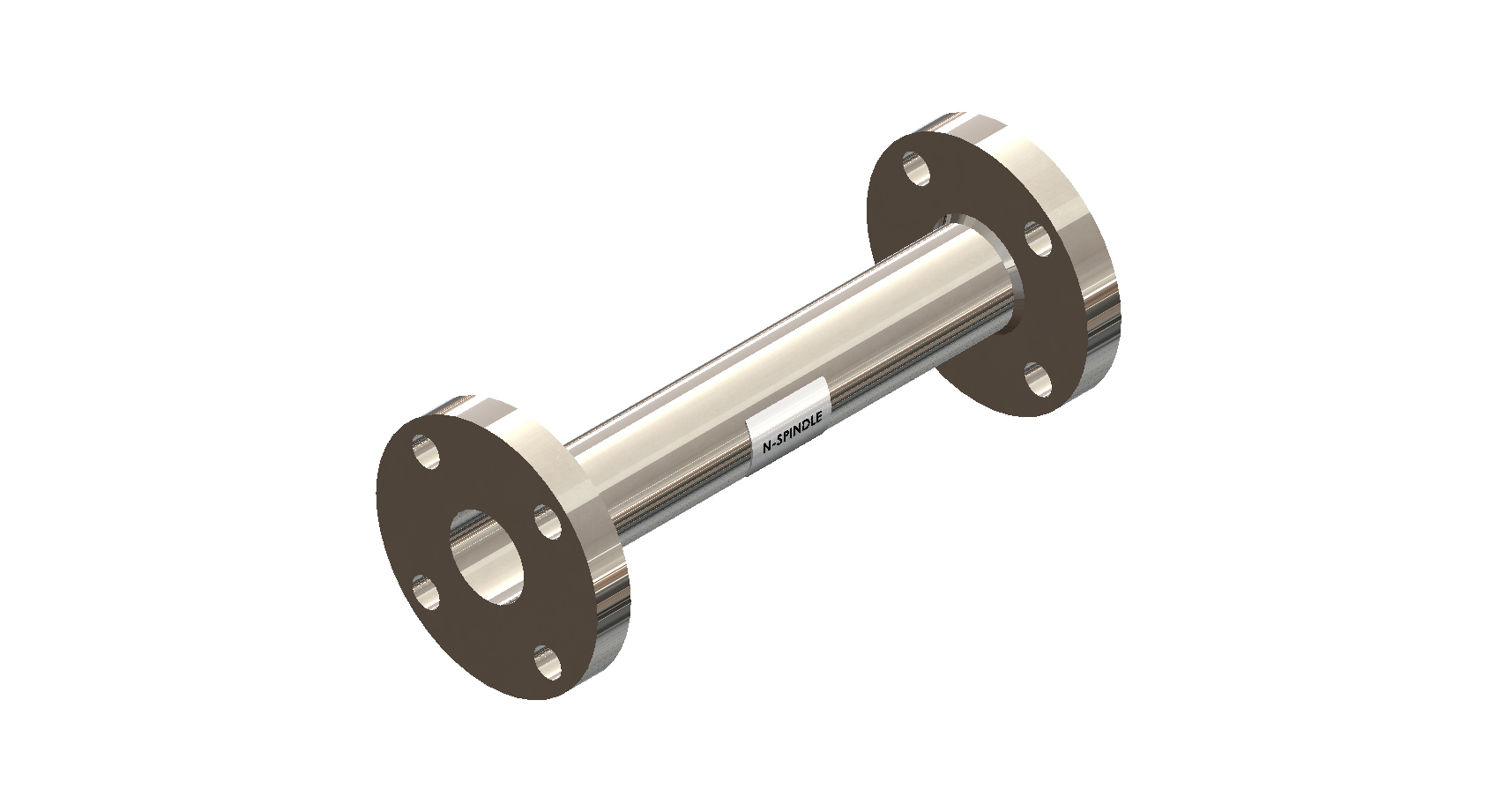
Static mixers
are commonly used in industries for applications such as blending, mixing, and dispersing fluids or gases. They are designed to efficiently mix two or more substances as they pass through the mixer, without the need for any moving parts. These mixers are particularly useful for processes that require precise and uniform mixing of materials, as well as for applications where minimal maintenance and energy consumption are desired. Static mixers can be used to achieve homogenization of liquids, dispersion of gases, and emulsification of substances. They are also effective in promoting chemical reactions by ensuring thorough mixing of reactants. Overall, static mixers play a crucial role in industrial processes that require efficient and reliable mixing of fluids or gases, contributing to improved product quality, consistency, and process efficiency.
Application : chemical processing, water treatment, food and beverage production, and pharmaceutical manufacturing.
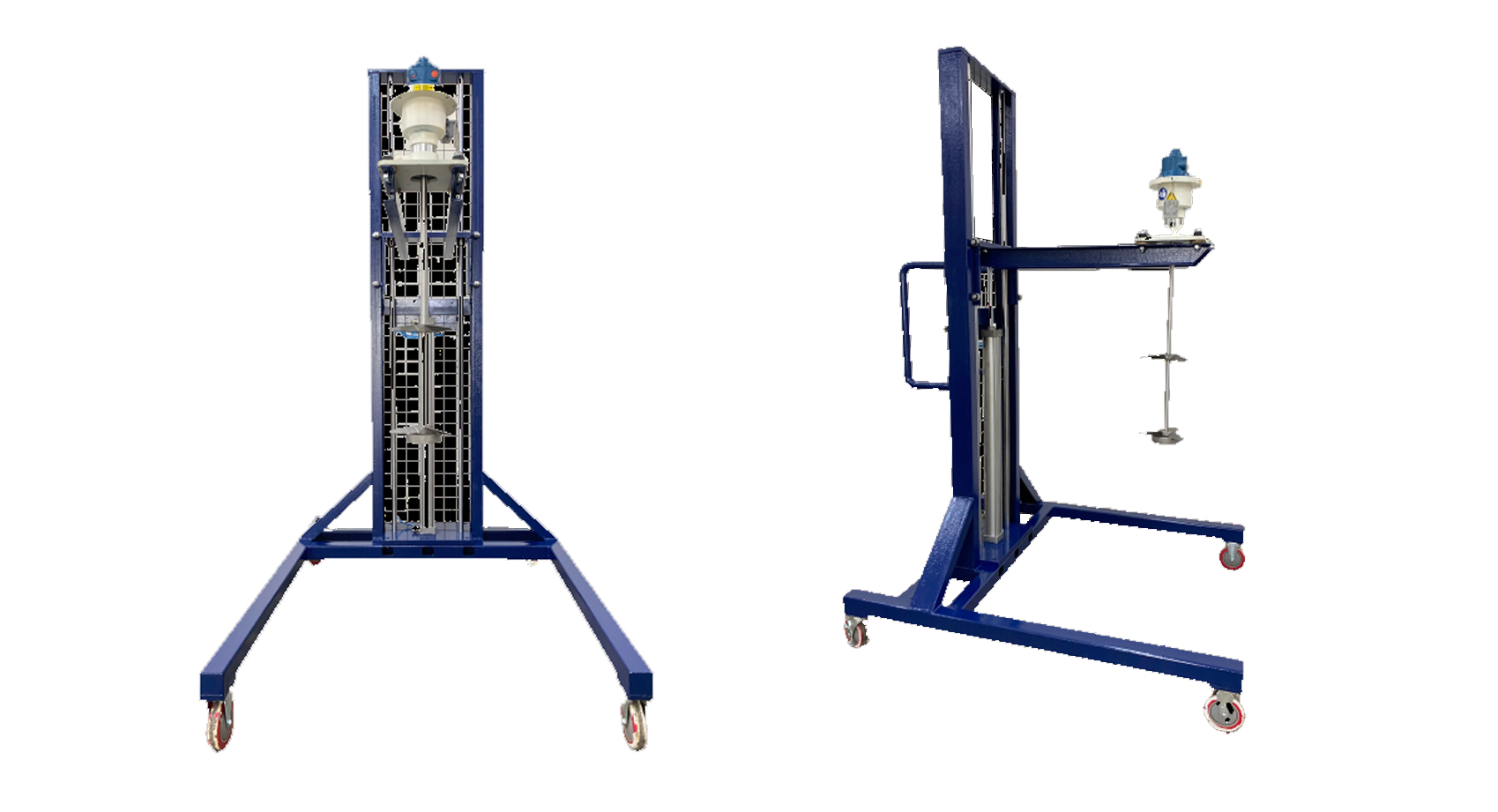
Mechanical and pneumatic agitator
are designed to provide vertical movement to agitators, allowing for efficient mixing of materials within the tank. Mechanical agitator lifters use mechanical mechanisms, such as gears or chains, to raise and lower the agitator shaft, while pneumatic agitator lifters use compressed air to achieve the same movement. Mechanical and pneumatic agitator lifters are often used in applications where the viscosity of the liquid or the size of the tank makes it difficult to achieve proper mixing with a stationary agitator. Overall, mechanical and pneumatic agitator lifters play a crucial role in industrial processes that require effective and controlled mixing of materials in large tanks or vessels, contributing to improved process efficiency and product quality.
Application : chemical processing, pharmaceutical manufacturing, food and beverage production, and wastewater treatment.
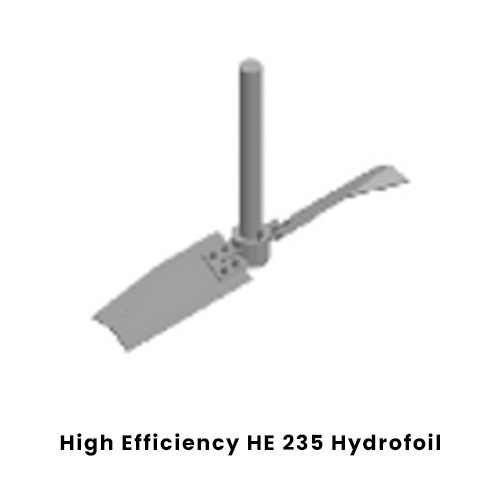
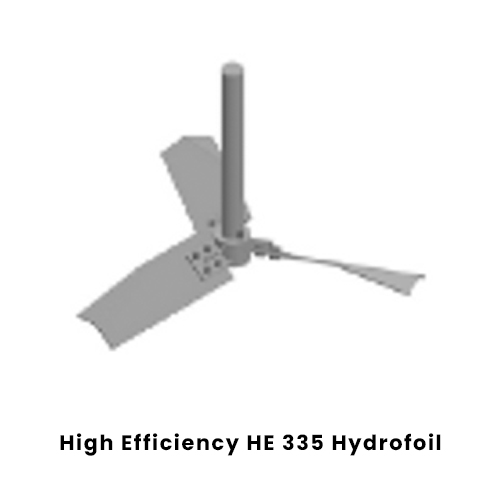
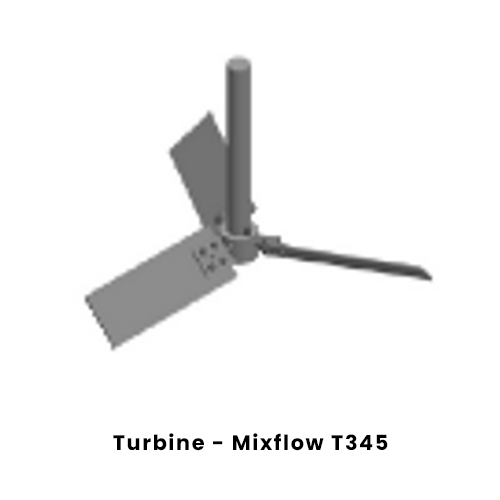
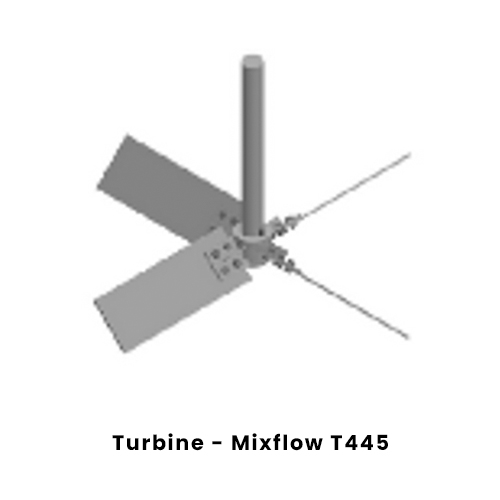
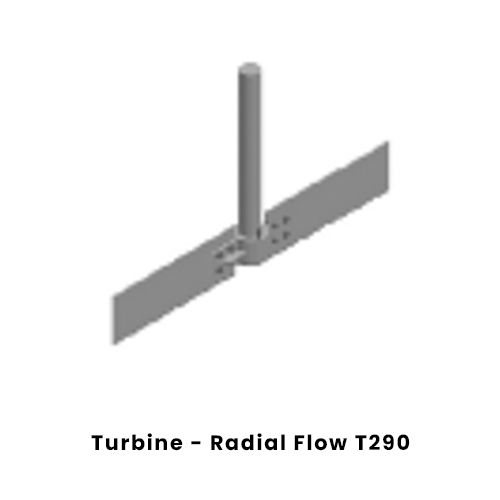
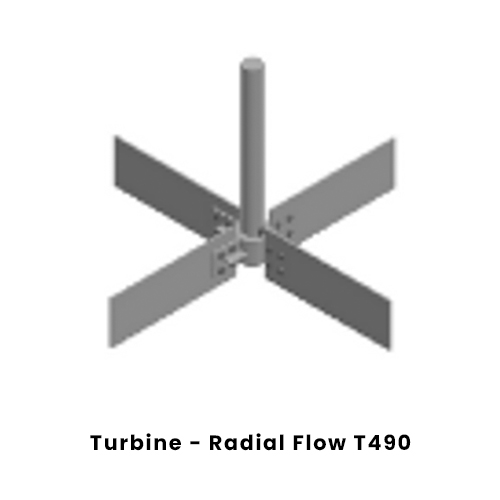
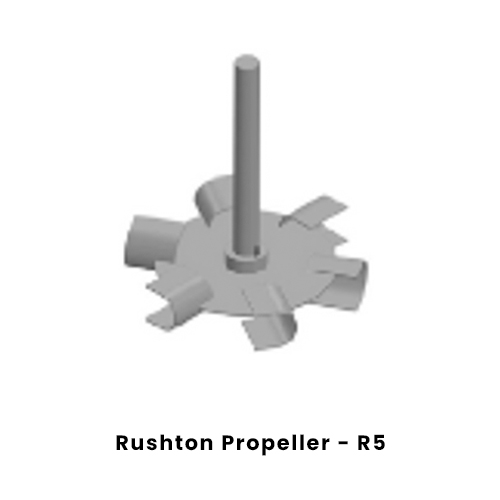
Types of Propellers
Propellers are crucial components for agitators and mixers as they are responsible for creating the necessary fluid flow and agitation within the mixing vessel. The proper design and operation of propellers ensure efficient blending of materials, uniform distribution of components, and effective heat transfer during mixing processes. By generating turbulence and promoting circulation, propellers help prevent settling of solids, promote chemical reactions, and enhance mass transfer in the mixing vessel. Overall, propellers play a vital role in achieving optimal mixing performance and product quality in various industrial applications.
Selection Criteria
When selecting agitators and mixers, several key criteria should be considered to ensure optimal performance and efficiency :
Process Requirements :
Understand the specific mixing requirements of the process, including desired mixing intensity, viscosity of materials, and required mixing time.
Material Compatibility :
Ensure that the materials of construction for the agitator and mixer components are compatible with the substances being mixed to prevent corrosion or contamination.
Mixing Mechanism :
Choose the appropriate mixing mechanism (e.g., propeller, paddle, impeller) based on the desired mixing action and the characteristics of the materials.
Budget and Longevity :
Evaluate the initial cost, operating expenses, and expected lifespan of the agitator and mixer to make a cost-effective investment.
Vessel Size and Shape :
Consider the size, shape, and material of the mixing vessel to determine the appropriate agitator design and size for effective mixing.
Power and Speed Requirements :
Determine the necessary power input and rotational speed of the agitator based on the viscosity and density of the materials being mixed.
Maintenance and Cleanability :
Consider ease of maintenance, accessibility for cleaning, and the ability to sanitize the agitator and mixer components to ensure product quality and hygiene.
By carefully considering these selection criteria, you can choose the most suitable agitators and mixers for your specific application, ensuring efficient mixing and optimal product quality.